Showing posts with label Health Issues. Show all posts

Choose Chicken Over Beef To Cut Stroke Risk - Study


(Reuters) - While a high-protein diet may have health benefits, not all protein is equal -- eating lots of red meat raises the risk of having a stroke while poultry lowers it, according to a U.S. study.

"The main message from this paper is that the type of protein or the protein package is really important for the risk of stroke," Frank Hu at the Harvard School of Public Health said of the study, which was published in the journal Stroke.

"We have to consider protein in the context of the foods."

Hu and a team of researchers collected data from two massive health surveys that tracked nearly 130,000 men and women from roughly middle age to their senior and elderly years.

Over the 20-some years of the study, nearly 1,400 men and more than 2,600 women had a stroke.

To see what influence different types of dietary protein had on the risk of stroke, the researchers divided up the people in the study based on how much red meat, poultry, fish, dairy and other sources of protein they typically ate each day.

Men who ate more than two servings of red meat each day, which was at the high end of the meat eaters, had a 28 percent increased risk of stroke compared to men who on average had a third of a serving of red meat each day, the low end of the meat eaters.

Women who ate nearly two servings of red meat a day had a 19 percent higher risk of stroke than women who ate less than half a serving each day.

Swapping in one serving of poultry lowered stroke risk by 27 percent, a serving of nuts or fish was linked to a 17 percent drop, and a serving of dairy dropped the risk by 10 to 11 percent.

A serving of red meat was considered to be 113 to 170 grams (4 to 6 oz) of beef, or a hamburger patty. A serving of poultry was considered to be 113 grams.

People who ate the most chicken or turkey each day, about a half serving for women and three-quarters of a serving for men, had a 13 percent reduced risk of stroke compared with those who ate barely more than a serving a day.

Researchers did not prove that beef is to blame for the increased number of strokes, but Adam Bernstein, lead author of the study, said it could be that the fat and iron in red meat play a role.

An earlier study led by Susanna Larsson at the Karolinska Institute in Stockholm, Sweden, also found that eating red meat had a link to the risk of stroke.

"I do not think that poultry has been considered as a protein source that might lower the risk of stroke. This is new," Larsson told Reuters Health in an email.

One surprise was that fish seemed to offer no protection against stroke, although Bernstein said it was possible that the benefits of fish depend on how it's served.

"There's a lot of variation in how people cook and prepare fish, and we couldn't get down to that level," he said. SOURCE: bit.ly/w2FeDQ (Reporting from New York by Kerry Grens at Reuters Health; Editing by Elaine Lies and Yoko Nishikawa)


Coconut Oil Touted as Alzheimer's Remedy


An estimated 5.4 million people in the U.S. have been diagnosed with Alzheimer's disease and that number is expected to increase exponentially as baby boomer generation enters their golden years.

But for some people, coconut oil has proven to slow the progression of Alzheimer's and may have even prevented it.

One of those people is Steve Newport, whose Alzheimer's has slowed considerably. Some of his symptoms even reversed, thanks to the unlikely treatment prescribed by his wife, Dr. Mary Newport, a physician who runs a neonatology ward at a Tampa, Fla., hospital.

Dr. Newport became determined to help her husband after the severity of his disease was discovered through an Alzheimer's test in which the person being tested is asked to draw a picture of a clock.

"He drew circles and several numbers just in a very random pattern, didn't really look anything like a clock," she said.

"And the doctor pulled me over to the side and said, 'You know, he's actually on the verge of severe Alzheimer's at this point, he's beyond moderate," Dr. Newport recalled.

"So that was very, very devastating news," she said.

Dr. Newport began learning everything she could about her husband's disease.

"It appears to be a type of diabetes of the brain and it's a process that starts happening at least 10 or 20 years before you start having symptoms and it's very similar to type 1 or type 2 diabetes in that you develop a problem with insulin," she explained.


Alternative Brain Fuel

In this case, insulin problems prevent brain cells from accepting glucose, their primary fuel. Without it, they eventually die.

But there is an alternative fuel -- ketones, which cells easily accept. Ketones are metabolized in the liver after you eat medium chain triglicerides, found in coconut oil.

Dr. Newport added coconut oil to her husband Steve's diet. Just two weeks later, he took the clock test again and demonstrated stunning improvement.

"I thought at the time, was it just good luck? Was it a lot of prayer? Was it the coconut oil?" she said. "And I thought, well, we're going to keep the coconut oil going."

Three weeks later, Steve took the clock test a third time and continued to perform better on it.

And it wasn't just intellectually, he also improved emotionally and physically.

"He was not able to run. He was able to run again," she recalled. "He could not read for about a year and a half, but after two or three months he was able to read."

"Instead of being very sluggish, not talking very much in the morning, he would come out in the morning with energy, talkative, and joking, and he could find his water and his utensils," Dr. Newport said.

She documented Steve's success in a book titled, Alzheimer's Disease: What If There Was A Cure?  Dr. Newport received many "thank you" letters from people whose loved ones were suffering from Alzheimer's. Each of the letters claimed their family member was helped after they followed Steve's diet.

Expensive Power Punch

And while coconut oil is encouraging, there's something much more powerful.

A team of biochemists, led by Professor Kieran Clarke at England's Oxford University, have developed a ketone ester that packs a punch ten times greater than coconut oil.

"It reaches quite considerably higher levels," Clarke said. "And you can get whatever levels you want depending on how much you drink."

The problem is, they need millions of dollars to mass produce it.

"It's very expensive. And so we can't make very much of it ourselves," Clarke said. "And what we would like is funding so we could actually scale up and make it."

"But of course there's no real profit in manufacturing stuff like that, and so people really don't want to fund that sort of thing," he said.

Coconut Oil Myths

So until a high potency ketone ester is available to the general public, coconut oil is still a good ketone source.

Just make sure it's pure, in other words, non-hydrogenated. Avoid any hydrogenated oil, including coconut oil, because hydrogenated oils are the same thing as dangerous trans fats. Check the list of ingredients for the word, "hydrogenated."

Some people are afraid to eat coconut oil because they think it's bad for your heart. But it's actually very healthy.

Dr. Beverly Teter is a lipid biochemist researcher at the University of Maryland and an expert in the area of dietary fat.

She said that years ago, coconut oil was criticized for raising cholesterol. But scientists have since learned there are two kinds of cholesterol -- LDL, the bad kind, and HDL, which is very good for you. HDL, the good cholesterol, is the kind that coconut oil raises.

"So they put out the message that it increased serum cholesterol," Teter explained. "But the truth of the matter is, it was helping the profile of the serum cholesterol."

"That never has been corrected in the public press, and I think that's the reason people have misconceptions about it," she said.

Defense against Disease

Not only does coconut oil improve cholesterol levels, Teter said the way it helps the brains of some Alzheimer's patients can even be extended to people with Parkinson's disease, ALS , epilepsy, dementia, even schizophrenia and autism.

Coconut oil also kills bacteria, making it a natural antibiotic without the negative side effects. Teter said because of that, it also helps defend against viruses like HIV and herpes.

"The coconut oil tends to keep the bacteria down so that if you're assaulted with a virus, your immune system can concentrate on the virus. It doesn't have to concentrate on 27 other bacteria that day," she explained.

As always, consult your doctor before making any dietary changes and ask about the addition of coconut oil to your diet.

Soy May Not Protect Against Stomach Cancer

Estrogen-like compounds that come with a soy-rich diet are sometimes linked to a reduced risk of cancer, but new research from Japan suggests that protection doesn’t extend to stomach cancer.

In a study that tried to tease apart the effects of isoflavones — also known as phytoestrogens — found in soy, and other nutrients, like salt, Japanese researchers found no difference in gastric cancer risk between people who consumed a lot of isoflavones and those who consumed the least.

Azusa Hara and her colleagues from the National Cancer Center in Tokyo examined data on about 85,000 people in an existing Japanese study.

The researchers estimated how much isoflavone the study’s participants ate from a list of questions they had answered in the 1990s, then followed the subjects until the end of 2006 to see how many developed stomach cancer.

During the follow-up period, approximately 1,250 of the study’s participants got stomach cancer, but the researchers saw no difference in risk between those who ate the most isoflavone and those who ate the least.

According to Dr. Richard Peek, director of Gastroenterology, Hepatology and Nutrition at Vanderbilt University Medical Center in Nashville, Tennessee, estrogen is thought to protect against stomach cancer because the disease is much more common in men, at least until women are post-menopausal — hinting that younger women’s higher estrogen levels might be protecting them.

Peek told Reuters Health there are also studies on mice that suggest estrogen protects against stomach cancer.

The Japanese team, however, found an increase in stomach cancer risk among women taking hormone therapy who ate the most isoflavone-laden food, compared to those who ate the least.
The women in the study on hormone therapy were more likely to smoke, drink and have a family history of stomach cancer, the researchers note, which could explain the link.

Hara and her colleagues wrote in the American Journal of Clinical Nutrition that their results are limited by the use of their questionnaire and the fact that they could not account for whether the subjects were also infected with the bacterium Helicobacter pylori, which is also linked to increased stomach cancer risk.

Still another well-known risk factor for gastric cancers is high salt intake.

According to the American Cancer Society, a person in the United States has a one in 114 chance of developing stomach cancer. An estimated 21,500 Americans were diagnosed with it in 2011 and an estimated 10,500 died from it.

Stomach cancers were once the leading cause of cancer deaths in the U.S. until 1930.

“One of the reasons for decline is that people have fridges now, and they use less salt preservatives,” said Khaldoun Almhanna, a medical oncologist at the Moffitt Cancer Center in Tampa, Florida.

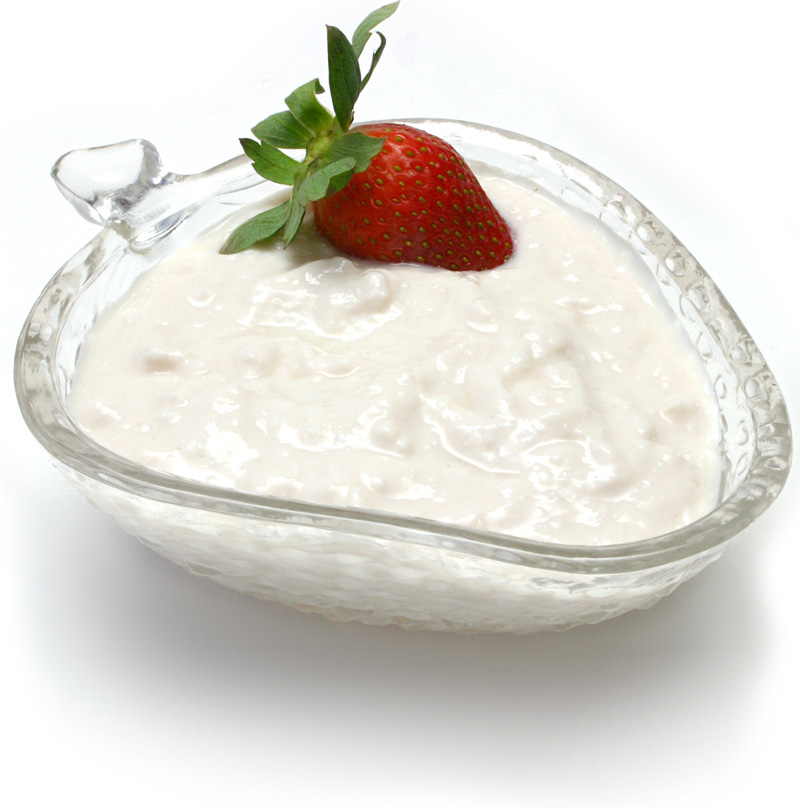
The Healthy Benefits Of Yogurt

Yogurt

Eating yogurt everday is very healthy for the body. For those looking to supplement their protein, calcium and dairy, yogart is a healthy choice.

Yogurt is not just a delicious snack with fruits on the bottom, it has great health benefits. It is an excellent source of protein, calcium, riboflavin and vitamin B 12. When yogurt is compared to milk, yogurt contains more calcium and protein because of the added cultures in the yogurt.

Yogurt must contain active and living cultures to be yogurt. Cultures are composed of unique living microorganisms which are responsible for many of the health and nutritional benefits of yogurt. Some of the health benefits of yogurt are"

It improves natural defense, it contains a good amount of phosphorus and 88% water. People with a risk of osteoporosis should eat at least one serving of yogurt per day.

It has also been claimed that yogurt may protect against some types of cancer but more investigations have to be carried out.

There are three types of yogurt: regular(whole milk), low-fat and skim. Low-fat and skim yogurt are good for people who are on a cholesterol lowering diet or just simply watching their weights. These types of yogurt does not raise blood cholesterol levels.

Some people have trouble digesting lactose, a carbohydrate in milk and milk products, because of the deficiency of enzyme lactase in the body. Live yogurt cultures produce lactase and break down the lactose. Yogurt is a healthy way to get the calcium the body needs, for the people who can not tolerate milk products.

Other benefits of live and active cultures in the yogurt are, they may help to boost the immune system. They encourage the right kind of bacteria to multiply in the gut. These bacteria help to digest food and prevent stomach infections. Also, they help to provide relief from vaginal infections.

Yogurt is fresh dairy product that must be stored in the refrigerator. The heat treated yogurt has a longer shelf life but it does not give the nutritional benefits like the yogurt with live cultures because heat processing destroys the cultures. To get the most health benefit from yogurt, there must be a live and active cultures seal on the label.

Yogurt is known and consumed in almost all parts of the world. Mediterranean Countries use a lot of yogurt in their cuisine. They usually eat yogurt, plain with no sugar along with main dishes like stuffed cabbage and spinach. They add yogurt to their salads or use it to make traditional "meze" They also prepare yogurt drinks made with plain yogurt, salt and water and serve it with shish kebabs. Fried vegetables such as eggplant or zucchini are eaten with yogurt. Cucumber and yogurt salad is very popular among the Mediterranean countries, it is prepared with yogurt, cucumbers, fresh or dried mint, garlic and salt.

To add more yogurt to everyday diet, here are some healthier alternatives and tips:
  • Replace mayonnaise and salad dressings with yogurt
  • Replace ice cream and milkshake with frozen yogurt and mixed fruit yogurt smoothie
  • Make dips with yogurt instead of sour-cream
  • Try using yogurt cheese instead of cream cheese
  • Use to marinate meat and poultry
  • Yogurt can also be stove cooked, but it will curdle if heated to too high a temperature or boiled. Adding a tablespoon of cornstarch into each cup of yogurt before cooking it, can prevent this problem.

The Benefits of Ajwah Dates (Khajoor) (Urdu)


Know the Different Kinds of Ginseng

The Chinese called it the “Essence of Man” or “Elixir of Life”; the American Indians treasured it and millions have sworn that it restores youth, vigor, and sexual powers. This magical plant, or rather, magical root, is none other than ginseng.

Ginseng occupies an important place in oriental herbal medicine. In fact, it was so important that it was considered a "panacea" or cure-all. Even gingseng’s assigned botanical name Panax ginseng, literally means "all healing."

Centuries of Chinese healers have used ginseng to fight wide ranging ills such as general weakness, fatigue, and sexual dysfunction. Some of the earliest recorded uses of the herb are by Emperor Shen Nung, who began his reign in 2800 BC and is considered the patron saint of Chinese herbal medicine.

Ginseng has been touted for its adaptogenic qualities. Adaptogens help normalize body functions during stress and stimulate the responsiveness of the immune system. They also increase strength and vitality. The medicinal effects of ginseng are attributed to saponins called ginsenosides found in the root of the plant. The older the root, the more ginsenosides it has. Roots should be six years old or older for optimal effectiveness.

Ginseng Plant

The only true ginsengs are the plants in the Panax genus within the Araliaceae family. The most common types are::

Asian ginseng. This is a warm stimulating tonic also called Oriental, Chinese or Korean ginseng. This is the kind of ginseng found in Ginsomin, a product of Mega Philippines (Tel. 8378550 ti 51 and 837-2947) that is made from six-year- old dried Korean Panax ginseng roots and contains 16 different ginsenosides, 11 vitamins and 9 essential minerals for optimum effectiveness. The high-quality ginsent extract in Ginsomin promotes both physical and mental health and helps relieve fatigue and stress.

American ginseng. This grows wild in North America and was used by Native Americans to treat indigestion, sore eyes, fever and bronchitis. American ginseng is a cooling, sedating tonic that has a calming effect.

Siberian ginseng. This belongs to the Araliaceae family but is not a true ginseng of the Panax genus. Often sold as a cheaper alternative to the more expensive Panax ginseng but is less effective at increasing vitality and feelings of well being.

Related Posts Plugin for WordPress, Blogger...